
Create a Wallet
Understand accounts, backups and network choices before your first transfer.
Learn more →imtoken
A multi-chain wallet, blockchain network and Web3 knowledge hub from imtoken
Explore multi-chain assets, network selection, transfers, DApps, approvals, blockchain concepts and wallet security with clear, verifiable guidance.
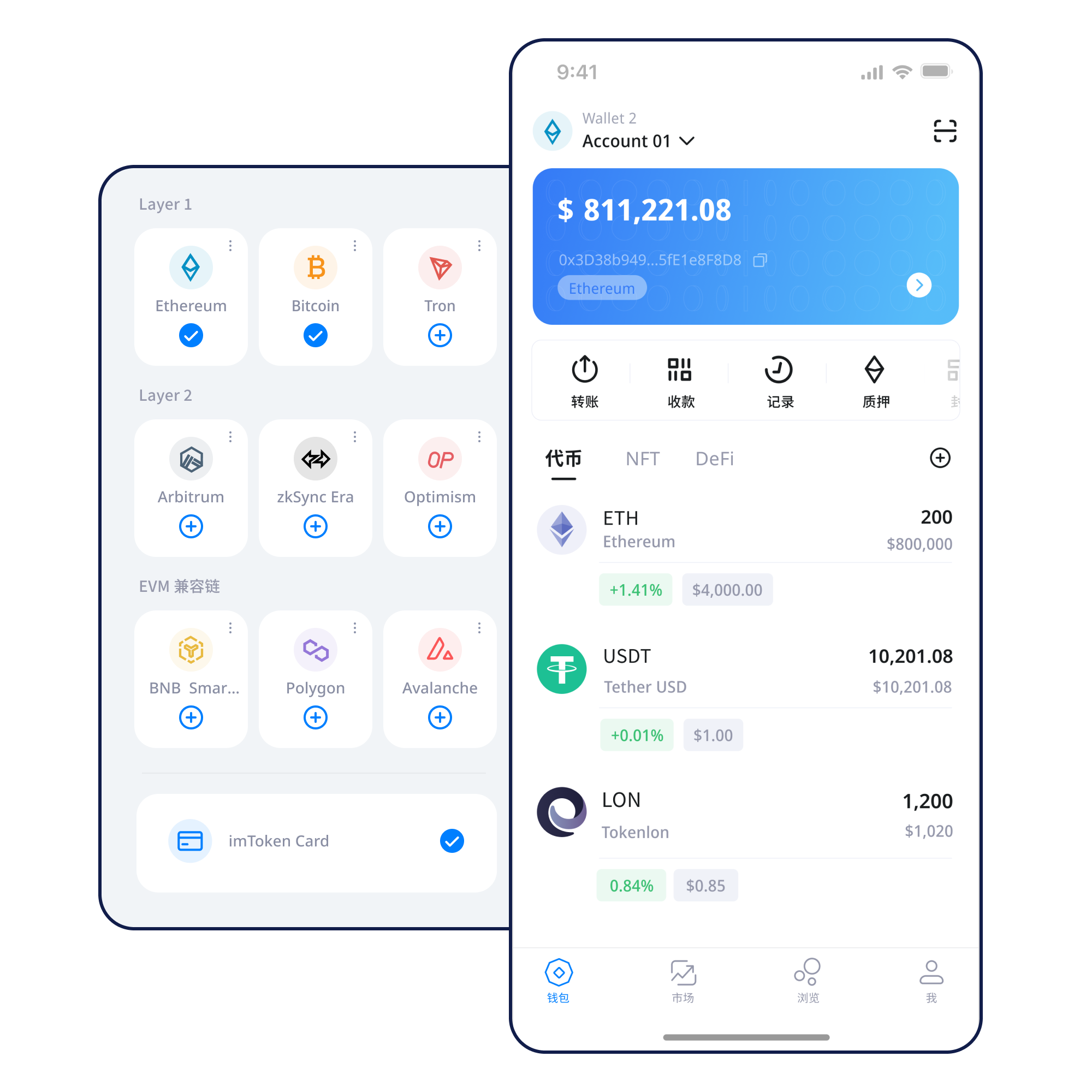
Five common actions are organized as a short path so you can open the relevant guide without searching through unrelated material.
Understand accounts, backups and network choices before your first transfer.
Learn more →Keep recovery material offline and separate from everyday browsing devices.
Learn more →Confirm the network and address before sharing a receiving destination.
Learn more →Review address, network, amount, gas and the resulting transaction hash.
Learn more →Verify the domain and review each signature or approval separately.
Learn more →Different capabilities are presented by role rather than repeated as identical feature tiles.
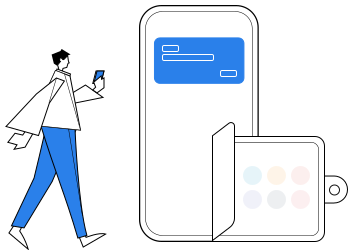
Understand network differences, address checks and confirmations before you move assets across separate chains.
Check the receiving address, network, amount, gas and transaction hash as separate pieces of evidence.
Manage networks, asset views, transaction history and DApp activity from a mobile workflow.
Review browser connections, account requests, approvals and disconnect actions without repeating the mobile product view.
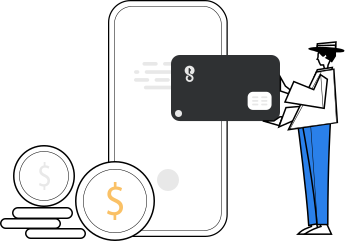
Keep recovery material offline, review approvals and never send a seed phrase or private key to anyone.
Compare network concepts through a focused reading path while keeping the full knowledge content available on the page.
Networks can use similar address formats while keeping separate ledgers, fee assets and confirmation rules. Always identify the network explicitly.
A public chain records transactions through distributed nodes and blocks. A block explorer helps verify when and where a transaction was included.
EVM networks share a compatible execution environment, but contracts, gas assets and chain state still belong to each individual network.
Moving assets between a base chain and Layer 2 can involve bridge contracts, different confirmation stages and waiting periods.
Gas relates to execution cost; confirmations describe how deeply a transaction has been included in the chain. Check both when evaluating status.
Each step includes a specific verification point rather than relying on a generic next button.
Use the official download entry and review the page before continuing.
Create a new wallet or import an existing one without sharing recovery material.
Store the seed phrase offline and never send a private key to another person.
Check the network name, address format and fee asset before moving funds.
Verify the destination, amount and network before confirming a transfer.
Use the transaction hash to review status and periodically remove approvals you no longer need.
Web3 & DApps
Connecting a wallet does not mean every later signature or approval should be accepted. Treat each request as a separate decision.
Security
Wallet security is built from repeatable habits: keep seed phrases and private keys under your own control, separate backup material from routine browsing, verify addresses and networks before sending, and review the exact purpose of every DApp signature or token approval. Public devices, unknown remote-control tools and unsolicited support messages can increase risk. On-chain transactions are usually not reversible by a wallet after confirmation, so prevention and verification matter more than after-the-fact recovery claims.
Open Security Center →Academy
Start with addresses, seed phrases, private keys, networks, gas, transaction hashes, DApps and approvals. Understanding how these concepts connect makes later actions easier to verify.
Read the beginner guide →Understand staking as a network mechanism, not a guaranteed-return product.
Ethereum PoS uses validators to participate in consensus. Reward sources, validator status, withdrawals and exit queues can change with network conditions and protocol rules.
Learn Ethereum staking →Staking does not guarantee returns. Network penalties, validator operation, smart-contract risk, waiting periods, asset-price volatility and third-party service risk all matter.
Learn PoS and validators →Updates are presented without invented dates, user counts, partnerships or rankings.
A digital wallet manages addresses, signing capability associated with private keys, and views of on-chain assets. The assets themselves are recorded on blockchain networks; the wallet helps you view them and submit signed actions.
A seed phrase can typically restore control of a wallet. Anyone who obtains it may gain control over the related assets, so it should be stored offline and never uploaded to an unfamiliar site or sent to another person.
No. imtoken staff will never ask for a private key, seed phrase or verification code. Stop immediately if anyone requests these details and verify the source independently.
Before sending or receiving, compare the network supported by the asset, the network specified by the counterparty, and the network currently selected in the wallet. Similar-looking addresses can exist on separate networks.
Check the destination address, network, asset, amount and estimated network fee. For a large transfer, a smaller test transaction can reduce the impact of an input mistake.
Gas measures the computation and storage resources required for on-chain execution. The fee can vary with network congestion, transaction complexity and the fee model used by the network.
A transaction hash is a unique identifier for an on-chain transaction. It can be used in a block explorer for the relevant network to review status, block height, addresses, amounts and execution results.
Use the unified download entry. Sensitive wallet recovery information is never requested on this site.